By Camp Gear Atlas Editorial · September 14, 2026 · Research-based guidance
The useful answer
Titanium suits a light kitchen focused on heating water. Hard-anodized aluminum spreads heat more evenly for food cooked in the pot. Stainless prioritizes resistance to rough handling, with more weight and a tendency toward hot spots in simple unlayered pots. Construction, coating, shape, and burner fit can change the result, so compare complete vessels of useful working size.
The shortlist
As an Amazon Associate, we earn from qualifying purchases. How our links work.
Best titanium example for a small solo vessel
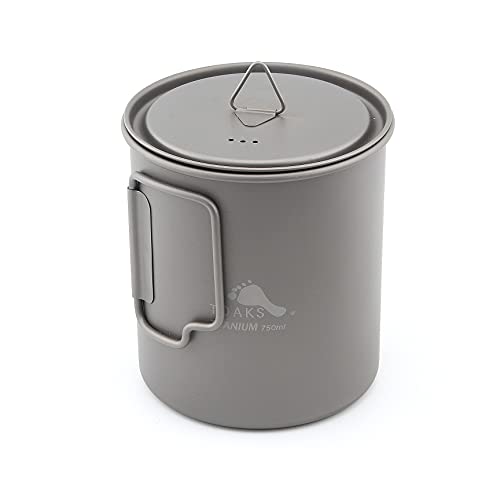
TOAKS Titanium 750ml Pot POT-750
A compact uncoated pot; limited room for bulky or shared meals.
Check on Amazon — TOAKS Titanium 750ml Pot POT-750Specifications & tradeoffsBest stainless example for two meal components

MSR Alpine 2 Pot Set
Separate sturdy pots; extra vessel weight is worthwhile only when both are used.
Check on Amazon — MSR Alpine 2 Pot SetSpecifications & tradeoffsBest aluminum example as a matched boiling kit

Jetboil Stash Cooking System
Hard-anodized pot supplied with its burner; the pot is not an interchangeable standalone choice.
Check on Amazon — Jetboil Stash Cooking SystemSpecifications & tradeoffs
Heat distribution matters when food touches the base
A thin pot of water and a pot of thick porridge make different demands on cookware. Water circulates as it heats; a dense meal can catch where the burner concentrates heat. MSR's material guide describes aluminum as the more even heat spreader, while thin titanium and simple stainless pots can develop hot spots. This explains why a pot that works well for rehydration water may need much more stirring for direct cooking.
Treat these as tendencies of common camp-pot construction. A layered base, wall thickness, and a cooking coating can matter as much as the metal named on the box. Start with the meal, then choose enough working room and a shape the stove permits.
| Common construction | Useful strength | Practical tradeoff |
|---|---|---|
| Thin titanium | Low carried weight for water heating | Dense food needs attention to concentrated heat |
| Simple stainless steel | Tolerates rough use without a cooking coating | More weight; uneven heating can still occur |
| Hard-anodized aluminum | Spreads heat for direct cooking | Coated and uncoated versions have different care needs |
Titanium for a deliberately small kitchen
The TOAKS POT-750 is our representative titanium option. Its appeal is a small uncoated vessel for solo use, with a separately stated lid-inclusive weight. That makes it worth considering when the cook mostly heats modest amounts of water and wants a compact packing shape. It is not the right way to obtain family meal capacity at minimum weight.
Ask whether the actual food fits below a sensible working level and whether your spoon reaches comfortably. A very small vessel may force repeated batches, while a narrow shape can make cleaning the bottom corners awkward. Those practical costs belong in the comparison even if the material is attractive on a gear spreadsheet.
Stainless for a focused set of pots
The Alpine 2 represents a different priority: two stainless vessels with a shared handling arrangement. It suits a cook who wants separate meal components and prefers an uncoated surface. The second pot has to earn its space, however. A solo menu that only uses one vessel gains little from packing the whole set by habit.
Stainless construction does not guarantee that food releases without attention or that a small burner heats every part of the base equally. Rehearse the meal, learn an appropriate flame setting, and keep the utensil moving when required. A robust pot can tolerate frequent use while still rewarding careful cooking technique.
Aluminum is a category with several constructions
Aluminum camping cookware may be bare, hard anodized, or finished with a cooking coating. Those are not identical care requirements. Jetboil identifies the Stash pot as hard-anodized aluminum, while other cookware uses a separate nonstick coating. Read the exact product's material and care description rather than assigning every aluminum pot the same properties.
A matched heat-exchanger pot also carries compatibility rules unrelated to the base metal. Jetboil says its Stash pot is for the Stash burner only. That is a useful example of why material comparisons cannot establish interchangeable stove pairings. A pot that looks like an ordinary metal vessel may be part of a specific heating system.
Compare equivalent jobs, not isolated numbers
For a fair weight comparison, include the lid and required handle, then choose vessels with enough working room for the same meal. A tiny titanium mug and a two-pot stainless set solve different jobs; placing their weights side by side does not identify an efficient purchase. Likewise, a cookware set with bowls and mugs should not be compared with a bare pot as if both were complete kitchens.
Include the packing volume and the cleaning kit. A detachable gripper is another item to track. Coated surfaces may need protective separators and suitable utensils. A larger vessel can simplify batch cooking but require a more substantial stove. Think through the chain of consequences before crediting one piece with a weight saving.
Treat the products as construction examples
The TOAKS is the small solo vessel here; the Alpine 2 supplies two stainless pots. The Stash illustrates an aluminum pot inside a matched boiling system, so it is not a standalone recommendation for cooking every kind of meal. Jetboil requires that pot to be used with its own burner.
For frying, compare a suitable skillet or cookware set instead of choosing among narrow pots. Read both pot and stove instructions, remove packing separators before heating, and keep every combustion stove outdoors, away from enclosed tents and vehicles.
Revisit the shortlist
As an Amazon Associate, we earn from qualifying purchases. How our links work.
Sources & further reading
TOAKS POT-750 specifications ↗MSR Alpine 2 Pot Set specifications ↗Jetboil Stash manufacturer FAQ ↗MSR PocketRocket 2 instruction manual ↗MSR comparison of titanium, stainless steel, and aluminum cookware ↗Manufacturer specifications and guidance checked September 2026. Model generations and included accessories can change; confirm the exact version before ordering.
Continue in Camp Cookware & Coffee.

