By Camp Gear Atlas Editorial · September 14, 2026 · Research-based guidance
The useful answer
Choose an internal dry bag for the contents that must stay dry, then size it with the actual gear and the closure fully rolled. The Sea to Summit Ultra-Sil 13L favors protected use inside luggage; the Lightweight 13L uses a heavier fabric for a broader role. Neither choice justifies submerging sensitive equipment or overfilling the closure.
The shortlist
As an Amazon Associate, we earn from qualifying purchases. How our links work.
For protected internal clothing storage
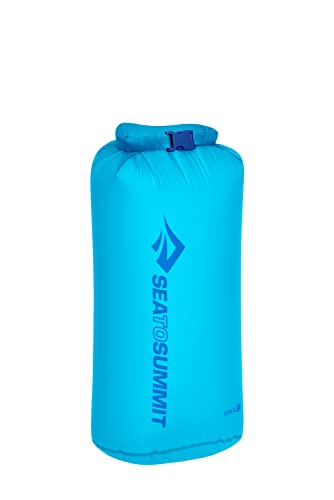
Sea to Summit Ultra-Sil Dry Bag 13L
Lower listed weight makes sense inside a pack; avoid exposed abrasive use.
Check on Amazon — Sea to Summit Ultra-Sil Dry Bag 13LSpecifications & tradeoffsFor a broader dry-storage role
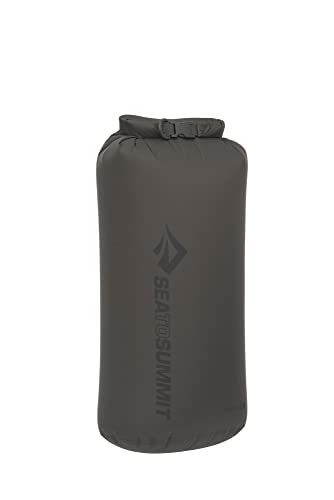
Sea to Summit Lightweight Dry Bag 13L
More substantial fabric suits mixed handling; it still must not be treated as a submersible case.
Check on Amazon — Sea to Summit Lightweight Dry Bag 13LSpecifications & tradeoffs
These are two choices for an internal dry module
Ultra-Sil and Lightweight are worth comparing after you have decided which contents need their own moisture barrier. Begin with the actual sleeping insulation or clothing bundle and the place it will occupy inside the pack. If a suitable main liner already provides the needed protection and the inner bag only keeps items together, an ordinary stuff sack may be sufficient.
The key difference is the handling you expect. Will surrounding luggage protect the bag throughout the trip, or will you repeatedly move it outside the pack? A water crossing or boating segment can require protection beyond the intended use of these roll-top models. Set that exposure requirement before comparing their empty weights.
Understand where the two fabrics belong
Sea to Summit describes Ultra-Sil as storage inside a backpack or duffel and advises other materials for water sports or general external use. That is a useful buying boundary: choose it when the surrounding luggage takes the abrasion. Keep stakes, sharp cookware edges, and tools away from the bag, and inspect high-contact areas when packing.
The Lightweight model has a more substantial fabric and is the more versatile of this pair for mixed handling. That does not turn it into a hard case or make rough treatment harmless. The manufacturer cautions that the roll top can admit water during submersion. A fabric waterproofness figure describes the material under a test method; it does not guarantee every use of the finished bag.
Use the same size to make the comparison fair
At the listed 13L size, the Ultra-Sil weighs 47g and the Lightweight weighs 81g, a calculated difference of 34g. That is a meaningful but modest saving. It can be worth taking for a protected clothing module, but it should not outweigh an exposure requirement the thinner bag was not designed to meet. Compare the same volume rather than a small bag against a larger one.
Thirteen liters is not a promise that a particular sleeping bag will fit. Insulation, fabric, size, and packing technique change the volume required. Put the real contents into a sample bag or a similarly sized container, then check enough material remains for the correct closure. If closing requires force or squeezing the roll down to an incomplete fold, choose another size or divide the contents differently.
| 13L model | Listed weight | Most relevant decision |
|---|---|---|
| Ultra-Sil | 47 g | Protected internal module with low weight priority |
| Lightweight | 81 g | Heavier fabric for a broader handling role |
Keep the dry module dry when you open it
A perfect closure does nothing while the bag is open in rain. Plan when and where you will retrieve night clothes, and avoid repeated unnecessary access during the walk. Keep daytime layers outside the sleeping module when they are likely to be used. At camp, establish a sheltered working area before opening critical contents, while following the shelter’s instructions and weather precautions.
Do not seal damp clothing with dry insulation because the items share a category on the packing list. Moisture already inside remains part of the problem. Use a separate temporary wet-gear arrangement and dry items when conditions permit. The bag’s purpose is controlling external exposure and organization; it is not a drying appliance or a substitute for airing equipment after the trip.
Choose a small number of understandable modules
A beginner can start with a sleep module and a clothing module instead of purchasing a large matching set. Add another only when it solves a clear retrieval or contamination issue. Label the bags in a way the group can understand. A bag that must be opened to identify its contents creates avoidable exposure and frustration in bad weather.
Small electronics may need protection specified for their particular risk, potentially including a suitable hard case. Do not assume placing an expensive device in either clothing bag makes it safe underwater. Likewise, dry bags do not provide bear resistance or odor-proof food storage. The fact that a container keeps rain off a food pouch says nothing about whether the storage method complies with local wildlife rules.
Make inspection part of packing
Check the fabric, seams, and closure before each trip, particularly after abrasion or a sharp object has been carried nearby. Follow the manufacturer’s care and repair guidance. If you suspect damage, resolve it before putting essential insulation inside. A spare bag may be useful on a particular route, but replacing a damaged primary module is more direct than hoping another layer will compensate.
After returning, empty and dry the bags. Note whether the chosen size left enough closure room or required contents to be divided differently. Keep Ultra-Sil in its protected internal role; use Lightweight only where its documented handling limits suit the job. A change to the route’s exposure can require a different protection system even when the same clothing still fits.
Revisit the shortlist
As an Amazon Associate, we earn from qualifying purchases. How our links work.
Sources & further reading
Manufacturer: Sea to Summit Ultra-Sil Dry Bag 13L ↗Manufacturer: Sea to Summit Lightweight Dry Bag 13L ↗Manufacturer specifications and guidance checked September 2026. Model generations and included accessories can change; confirm the exact version before ordering.
Continue in Beginner Backpacking.

