Sea to Summit
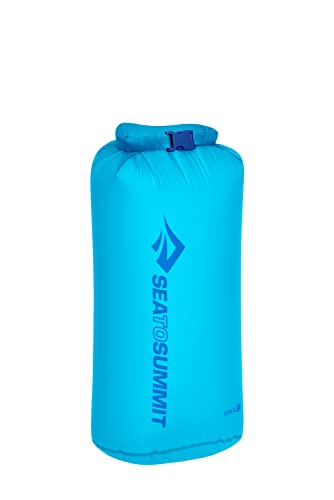
Sea to Summit Ultra-Sil Dry Bag 13L
Protected dry storage inside a backpack
Consider: Thin internal-storage fabric is unsuitable for routine exposed abrasion or water sports
Pick a manageable route and verify its current requirements before selecting accessories. Pack the actual food, clothing, and sleeping equipment you will carry, then weigh the result including water and consumables. Prioritize reliable access to essentials and compatible repairs over a target base weight. If a lighter organizer compromises dry storage or a smaller canister leaves food outside, it is the wrong purchase for that trip. Practice closures and packing before departure.
A first overnight is a small logistics project with a walk attached. The important questions are where you can legally camp, how you will carry and manage water, what keeps your sleep gear dry, and whether your food fits the required storage method. This hub concentrates on those decisions rather than building a collection of expensive equipment. Learn to weigh a complete carried kit, distribute shared items, pack a bear canister, and choose a modest repair or hygiene pouch. Dry-bag recommendations distinguish protected storage inside a pack from equipment that will face abrasion outdoors. Planning examples show their assumptions so you can replace them with your own route, weather, meals, and abilities. Product specifications come from manufacturers, while land-manager guidance controls site use and food-storage practices. These are research-based buying guides and field-planning resources, without invented trips or claims of hands-on testing.
Explore the equipment ↓
As an Amazon Associate, we earn from qualifying purchases. How our links work.
Protected dry storage inside a backpack
Consider: Thin internal-storage fabric is unsuitable for routine exposed abrasion or water sports
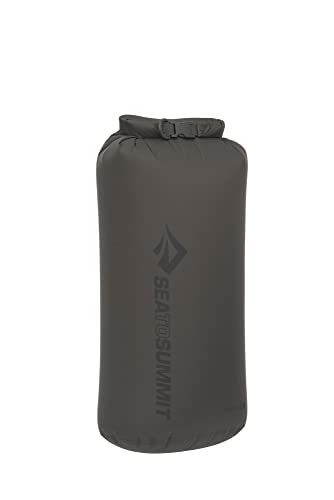
A versatile personal clothing module for mixed car-camping and walking trips
Consider: Heavier than the corresponding Ultra-Sil; roll-top closure is not a submersion guarantee

Short trips whose complete food and scented-item load fits a smaller approved canister
Consider: Fixed diameter and lid operation need a home trial; acceptance depends on destination rules

Trips that need more canister volume while retaining the BV450 diameter
Consider: Greater height occupies additional pack space; food-day estimates vary with the menu

Additional camp water capacity with little empty-container bulk
Consider: Soft format needs careful placement and handling; no filtration or purification is included

Permitted backcountry catholes where a larger trowel is preferred
Consider: Cannot replace required waste pack-out systems or make unsuitable soil appropriate
Beginner Backpacking · Field guide
Plan a first backpacking overnight with manageable distance, verified water and campsite rules, a full packed-kit rehearsal, and practical turnaround decisions.
Read the guide
Beginner Backpacking · Buying guide
Choose backpacking dry bags by exposure, clothing volume, closure space, and weight, with a practical comparison of Sea to Summit Ultra-Sil and Lightweight bags.
Read the guideBeginner Backpacking · Comparison
Compare BearVault BV450 and BV475 by usable volume, dimensions, carried weight, menu fit, lid access, and the exact food-storage rules for your destination.
Read the guide
Beginner Backpacking · Buying guide
Build a small backpacking repair kit by likely failure, fabric compatibility, and usable repair time, with tape, flexible patch, and seam-sealant decisions.
Read the guideBeginner Backpacking · Buying guide
Build a backpacking hygiene kit around local toilet rules, clean-hand routines, privacy, waste packing, and practical choices for a trowel, towel, and soap case.
Read the guideBeginner Backpacking · Field guide
Plan backpacking water carries from reliable source intervals, cooking demand, container capacity, carried weight, treatment requirements, and fallback options.
Read the guideBeginner Backpacking · Field guide
Calculate backpacking base weight and full departure load, account for shared gear and consumables, and identify practical savings without an arbitrary target.
Read the guideBeginner Backpacking · Field guide
Organize the complete required contents of a bear canister, retain meal information, plan quick access, and repack food and rubbish without compromising the lid.
Read the guide