By Camp Gear Atlas Editorial · September 14, 2026 · Research-based guidance
The useful answer
Use a sleeping pad when low weight, low height, and a simpler layout are priorities. Add a cot when you specifically prefer a raised, tensioned bed and can transport and fit the frame. A cot may still need an insulated pad, so compare complete arrangements rather than assuming the frame replaces ground insulation.
The shortlist
As an Amazon Associate, we earn from qualifying purchases. How our links work.
Raised-bed candidate
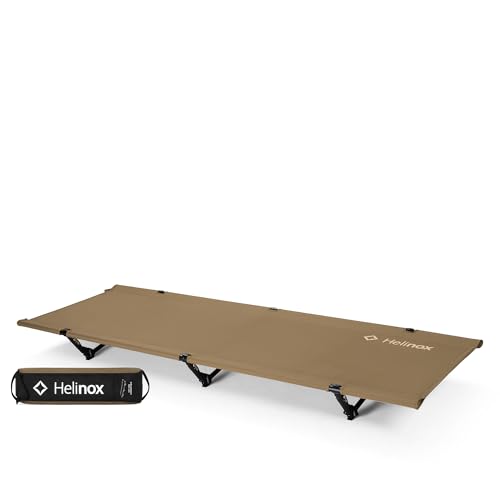
Helinox Cot One Convertible
Worth trying for its frame-supported position; does not eliminate the need to plan insulation.
Check on Amazon — Helinox Cot One ConvertibleSpecifications & tradeoffsSolo floor-bed candidate

Therm-a-Rest BaseCamp Sleeping Pad — Regular
A simple foam-filled option; narrow Regular dimensions and modest depth need checking.
Check on Amazon — Therm-a-Rest BaseCamp Sleeping Pad — RegularSpecifications & tradeoffsCarried floor-bed candidate

Therm-a-Rest NeoAir XLite NXT Sleeping Pad — Regular
Low published pad weight; requires width, inflation, and repair decisions.
Check on Amazon — Therm-a-Rest NeoAir XLite NXT Sleeping Pad — RegularSpecifications & tradeoffs
Two arrangements, not mutually exclusive items
The comparison is often presented as if you sleep either on a cot or on a pad. In practice, a cot can carry a pad, so the actual choice may be a pad on the tent floor versus a pad supported by a frame. That changes the weight, height, and assembly routine while preserving the mattress.
Write down the two arrangements you are considering in full. Include the upper covering and pillow if their choice changes between the beds. This prevents a bare cot from appearing unfairly compact beside a pad setup that already includes all the accessories. It also reveals whether the proposed frame solves the problem you are trying to address.
What a floor pad does well
A pad-only setup sits low in the shelter and generally needs less assembled structure. That can preserve headroom in a small tent and make packing straightforward. An insulated air pad is especially relevant for carried trips, while a foam-filled mattress may be more appealing beside a vehicle. The appropriate construction depends on your preferences and conditions.
The limitations are equally practical: you are close to the floor, the available cushion must suit your body, and an inflated design needs a valve routine. A thin foam pad changes the failure and setup questions but brings its own cushioning compromise. Choose the actual pad first rather than treating all floor beds as one experience.
What the cot changes and what it leaves to solve
The cot adds a frame and a suspended surface. Some adults prefer that arrangement, but the frame does not decide pillow loft, upper insulation, or the comfort of a mattress added above it. Air beneath the cot also makes insulation an active planning question rather than something resolved by getting off the ground.
Check the entry height and support. A low cot may feel different from a tall household bed, and a taller accessory arrangement reduces shelter clearance. If you want under-bed storage, verify that bags placed there do not interfere with the frame, damage the tent, or block the route out. Space below the bed is useful only when it remains accessible.
A transparent weight example
Consider a simple arithmetic comparison using documented product weights: Lite Cot is listed at 44 ounces packed and XLite NXT Regular at 13 ounces for the pad. Together, those figures total 57 ounces before adding any pad accessories, pillow, or upper covering. This is a calculation for planning, not a tested assertion that the two products form an approved integrated bed.
The example shows why a cot advertised for backpacking can still add considerably to a pad-only load. You may willingly carry that difference, but you should see it. For a car-camping load, the same calculation matters less than the combined packed shape and whether you can handle setup at each stop.
| Illustrative arrangement | Subtotal using published figures |
|---|---|
| XLite NXT Regular pad only | 13 oz; accessories still need counting |
| Lite Cot plus that pad | 57 oz; compatibility and accessories still need checking |
| Difference from adding the frame | 44 oz, based on the cot’s packed figure |
Try the two beds with one variable changed
Use the same pillow and suitable mattress in both arrangements where compatibility allows. Compare lying down, turning, sitting up, and getting out. If you change the pillow, mattress pressure, and height simultaneously, you will not know which change improved the experience. A careful trial can reveal that a simple pressure adjustment solves what looked like a need for a frame.
Then test the entire setup in the tent. A cot can make the bed feel better while making the shelter more difficult to use. Check access to zippers, wall contact around the sleeping bag, and where the second adult sits or moves. The bed is one part of a small room, not an isolated piece of furniture.
What would justify carrying the frame?
The added frame is justified when its raised, tensioned surface produces a benefit you can identify in the trial and the complete bed still fits the trip. For a walking route, that benefit must be worth the frame’s additional load. For a drive-in camp, the more immediate cost may be cargo space and repeated assembly.
If the same mattress feels satisfactory on the floor, a cot has not yet earned a place in that setup. If entry or support improves on the cot, keep the successful mattress and pillow arrangement while checking the frame’s clearance and carrying requirements. That result gives you a reason to proceed to a cot shortlist.
Revisit the shortlist
As an Amazon Associate, we earn from qualifying purchases. How our links work.
- Helinox Cot One ConvertibleCheck on Amazon — Helinox Cot One Convertible
- Therm-a-Rest BaseCamp Sleeping Pad — RegularCheck on Amazon — Therm-a-Rest BaseCamp Sleeping Pad — Regular
- Therm-a-Rest NeoAir XLite NXT Sleeping Pad — RegularCheck on Amazon — Therm-a-Rest NeoAir XLite NXT Sleeping Pad — Regular
Sources & further reading
Helinox Cot One Convertible specifications ↗Helinox Lite Cot specifications ↗Therm-a-Rest BaseCamp specifications and care ↗Therm-a-Rest NeoAir XLite NXT specifications ↗Therm-a-Rest sleep system principles ↗Manufacturer specifications and guidance checked September 2026. Model generations and included accessories can change; confirm the exact version before ordering.
Continue in Cots, Pillows & Bedding.