
NEMO
NEMO Aurora Highrise 6P
Family car campers who want two access points and room to change clothes
Consider: The large structure needs more campsite and setup space than a compact sleeping tent
Write down your pad widths and lengths, the tallest camper's needs, and whether luggage must stay inside. Eliminate any floor plan that only works with overlapping beds or a blocked exit. Next check whether the entire fly, vestibules, and guy lines fit the campsite. Choose a setup system the available adults can manage, and compare complete packed weight if anyone will carry it. Treat ventilation, repair support, and drying space at home as part of ownership.
A tent has two jobs that are easy to confuse: fitting your people and fitting your trip. The capacity printed on a bag helps you identify a category, but it cannot tell you where four wide sleeping pads, a child's overnight kit, and a clear doorway will go. Begin with the beds you actually use, then look at wall shape, doors, and the complete pitched footprint. A family tent can be pleasant beside a vehicle and awkward on a small tent platform. A backpacking tent can carry neatly and still feel cramped during a wet evening. Our guides connect those decisions with manufacturer dimensions, construction details, and setup instructions. Recommendations are research based, with the reason to choose each model and the compromise that comes with it. Use the tent-fit tool to sketch the sleeping layout, then read the relevant buying guide before choosing your size.
Explore the equipment ↓
As an Amazon Associate, we earn from qualifying purchases. How our links work.
Family car campers who want two access points and room to change clothes
Consider: The large structure needs more campsite and setup space than a compact sleeping tent
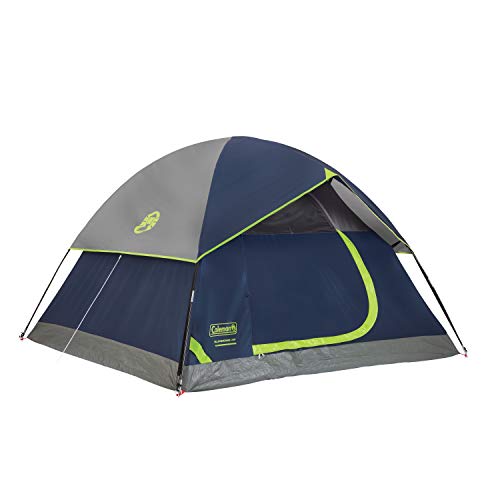
Couples using one air mattress at established campsites
Consider: One door and no vestibule limit entry and wet-gear organization

Families who want a simple taller dome with pre-attached poles
Consider: No vestibule means rain entry and wet-gear storage need separate planning

Car campers prioritizing telescoping setup and two-door access
Consider: A 46-inch packed length can be awkward in a small car

Beginner pairs on short walks who want two doors and an included footprint
Consider: Current packaged weight is substantial for a two-person backpacking shelter

Pairs who want extra floor width for short backpacking trips or small campsites
Consider: Heavy for longer walks, and three wide pads exceed the documented floor width

Pairs who prioritize carrying weight and airflow on ordinary backpacking trips
Consider: Lighter fabrics and a mesh-focused inner call for careful handling and a privacy plan

Campers who want an attached mesh lounge for suitable weather
Consider: The screened porch should not be counted as dependable wet-weather sleeping space

Camping Tents · Buying guide
Choose a family camping tent using four real beds, usable headroom, access, and campsite space. Compare three researched options and their practical tradeoffs.
Read the guide
Camping Tents · Buying guide
Find a car camping tent for two by matching the bed, door layout, indoor routines, and packed size. Compare compact, roomy, and screened options for couples.
Read the guideCamping Tents · Buying guide
Compare beginner backpacking tents by complete carried weight, two-person comfort, doors, and setup. Find the tradeoffs between MSR Elixir and Hubba Hubba LT.
Read the guideCamping Tents · Field guide
Compare tent floor plans for the sleeping pads you already use. Worked two-, three-, and four-pad layouts show where width, rotation, taper, and access rule out a tent.
Read the guideCamping Tents · Comparison
Decide whether a six-person tent fixes a cramped four-person layout. Separate floor width from wall shape and doors, then check the added campsite and packing demands.
Read the guideCamping Tents · Comparison
See how cabin, dome, and tunnel tent shapes affect usable room, setup, anchoring, and site fit. Choose a layout for ordinary family and car camping trips.
Read the guideCamping Tents · Comparison
Compare instant, pre-attached-pole, and traditional camping tents by the complete setup, packed length, repair needs, and the adults available at your site.
Read the guideCamping Tents · Buying guide
Choose a tent for a queen air mattress by checking actual inflated size, bed height, door access, and room to dress. Compare three practical car-camping options.
Read the guideCamping Tents · Comparison
Compare tent vestibules, awnings, and screen rooms for wet gear, insect-conscious lounging, and sleeping plans. Learn which extra spaces deserve campsite room.
Read the guideCamping Tents · Field guide
Understand freestanding and semi-freestanding tents before choosing one. Learn what stakes still do, how site shape matters, and what a complete pitch requires.
Read the guideCamping Tents · Buying guide
Choose a camping tent for rainy weekends by examining fly coverage, entrances, ventilation, setup, and drying. Compare three documented designs without weather hype.
Read the guideCamping Tents · Buying guide
Find a camping tent for a tall person by checking sleeping-bag clearance, pad height, usable wall shape, and doorway access instead of peak height alone.
Read the guide